

Online shopping has transformed the way people discover, compare, and purchase products, offering unmatched convenience, variety, and accessibility. From daily essentials to luxury items, everything is just a few clicks away. However, while e-commerce brings ease and flexibility, it also presents challenges such as overspending, choosing the wrong products, and falling for misleading deals. Smart online shopping is not just about buying what is needed—it is about making informed decisions, maximizing value, and ensuring a seamless experience every time. The first step toward becoming a smart online shopper is understanding personal needs and setting a clear intention before browsing. Many shoppers fall into the trap of impulse buying, driven by attractive discounts and limited-time offers. Without a clear plan, it becomes easy to purchase items that may not be necessary or useful in the long run. Creating a simple checklist before visiting an online store helps maintain focus and prevents unnecessary spending. This approach not only saves money but also ensures that every purchase adds real value. Another important aspect of smart shopping is thorough research. Unlike traditional retail stores, online platforms provide access to detailed product descriptions, customer reviews, and ratings. Taking the time to read through these details helps in understanding the quality, performance, and reliability of a product. Reviews from other buyers often reveal insights that are not mentioned in product descriptions, such as durability, sizing accuracy, or usability. Comparing multiple products within the same category further enhances decision-making, ensuring the best choice at the right price. Price comparison plays a crucial role in saving money. The same product is often listed at different prices across various platforms. Smart shoppers use comparison techniques to identify the most cost-effective option. This does not necessarily mean choosing the cheapest product but rather finding the best balance between price and quality. Seasonal sales, festive discounts, and special promotions provide excellent opportunities to save more, but it is important to verify whether the discounts are genuine. Tracking price history or waiting for major sale events can lead to significant savings. Using coupons, promo codes, and cashback offers is another effective strategy. Many e-commerce platforms provide exclusive discounts through newsletters, mobile apps, or partner websites. Applying these codes during checkout can instantly reduce the total cost. Cashback offers, where a portion of the purchase amount is returned, add further value over time. Loyalty programs and reward points also contribute to savings, especially for frequent shoppers. By combining these benefits, the overall shopping expense can be reduced considerably. Security is a fundamental aspect of online shopping that should never be overlooked. Ensuring that the website is secure, indicated by “https” in the URL, protects sensitive information such as payment details and personal data. Avoiding public Wi-Fi networks while making transactions adds another layer of safety. Choosing reliable payment methods, such as trusted payment gateways or cash on delivery when available, minimizes risks. Keeping track of transaction receipts and order confirmations helps in resolving any disputes that may arise. Understanding return and refund policies is equally important. Despite careful selection, there may be instances where a product does not meet expectations. A flexible return policy ensures that such situations are handled smoothly. Reading the terms and conditions regarding returns, exchanges, and refunds before making a purchase prevents inconvenience later. Keeping the original packaging and invoice intact until satisfaction is confirmed makes the return process easier. Timing purchases strategically can lead to better deals. E-commerce platforms often run special campaigns during festivals, end-of-season clearances, and anniversary sales. Planning purchases around these events allows shoppers to take advantage of significant discounts. Subscribing to newsletters or enabling notifications helps in staying informed about upcoming offers. Early access sales and exclusive member discounts further enhance savings opportunities. Another smart approach is to leverage technology for a better shopping experience. Mobile apps, browser extensions, and price tracking tools simplify the process of finding deals and comparing options. Wish lists and cart features allow users to monitor products and wait for price drops. Personalized recommendations based on browsing history help in discovering relevant products quickly. These tools not only save time but also ensure that the best deals are never missed. Budget management is a key factor in smart online shopping. Setting a spending limit for each purchase or shopping session helps maintain financial discipline. Tracking expenses over time provides a clear understanding of spending habits and areas where savings can be improved. Avoiding the temptation of “buy now, pay later” schemes unless absolutely necessary prevents unnecessary financial burden. Smart shoppers prioritize long-term value over short-term satisfaction. Product authenticity and seller credibility should always be verified. Reputable sellers with high ratings and positive feedback are more likely to provide genuine products and reliable service. Checking seller details, return history, and customer feedback builds confidence in the purchase decision. Avoiding deals that seem too good to be true reduces the risk of counterfeit or low-quality products. Trusted platforms often provide verified badges or certifications that indicate authenticity. Shipping options and delivery timelines also influence the overall shopping experience. Choosing the right shipping method based on urgency and cost ensures satisfaction. Free shipping offers are appealing, but it is important to check whether they affect delivery speed. Tracking shipments in real time provides transparency and helps plan accordingly. In case of delays, responsive customer support plays a vital role in resolving issues promptly. Customer support and service quality are often overlooked but are essential components of a successful online shopping experience. Reliable platforms provide multiple channels of communication, including chat, email, and phone support. Quick responses and effective solutions build trust and encourage repeat purchases. Reading reviews about customer service can give an idea of how issues are handled and whether the platform values its customers. Sustainable and responsible shopping is becoming increasingly important. Choosing eco-friendly products, supporting ethical brands, and minimizing unnecessary purchases contribute to a positive impact on the environment. Smart shoppers consider not only price and quality but also the sustainability of their choices. Opting for durable products
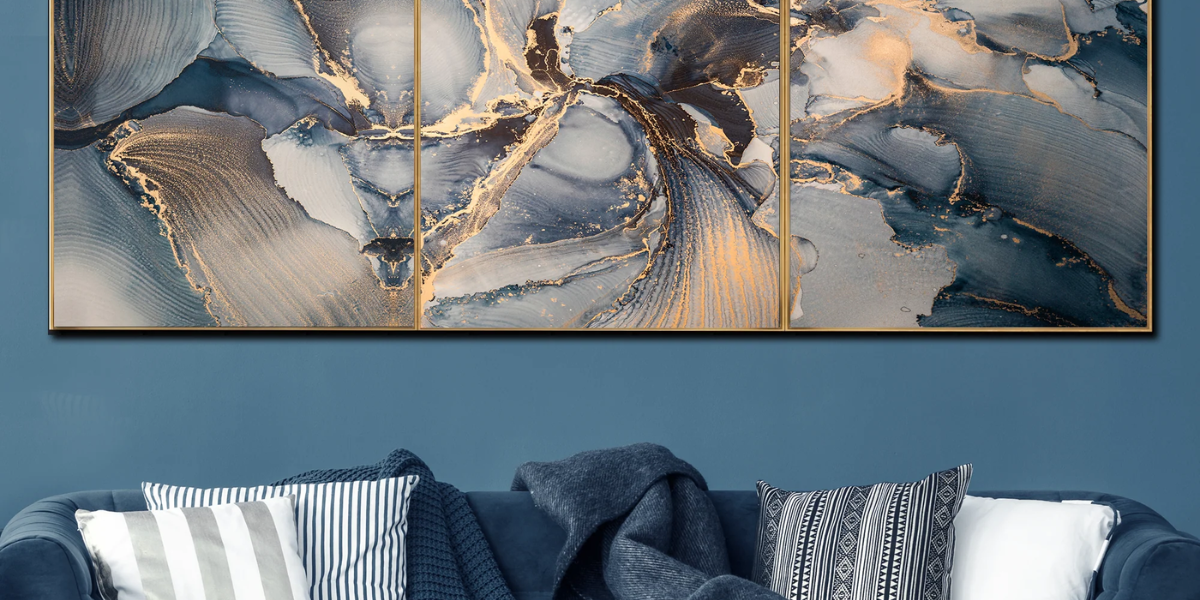
From Canvas to Home Décor: Discover the Beauty of Modern Art
Introduction to Modern Art in Home Décor Modern art has transformed the way interiors are designed and experienced. Once confined to galleries and museums, artistic creations now play a powerful role in everyday living spaces. Homes today are not just places to live but also reflections of personality, creativity, and taste. The integration of modern art into home décor allows individuals to express style, emotion, and inspiration within their personal environments. From bold abstract paintings to minimalist line art, modern artwork has become an essential element in contemporary interior design. A carefully chosen piece of art can elevate an ordinary wall into a stunning focal point. It brings color, depth, and character to living rooms, bedrooms, offices, and even hallways. The journey from canvas to home décor represents the transformation of art into a living experience that enhances comfort and aesthetics. Modern art offers endless possibilities for decorating spaces. Whether a large statement painting above a sofa or a curated gallery wall in a hallway, artwork can redefine the atmosphere of any room. As e-commerce platforms make art more accessible than ever, finding the perfect piece for a home has become easier and more convenient. The Evolution of Art in Interior Design Art has always played a significant role in interior decoration. In earlier centuries, paintings and sculptures were primarily found in palaces, churches, and aristocratic homes. Over time, the appreciation of art expanded to everyday living spaces. With the rise of modern art movements in the twentieth century, artists began experimenting with new styles, materials, and concepts. Modern art moved beyond traditional realism and embraced abstraction, symbolism, and emotional expression. These artistic innovations opened the door for art to become a versatile décor element rather than just a decorative luxury. Interior designers began incorporating art pieces to create mood, balance, and visual harmony within spaces. Today, art is considered a vital component of interior design. Homes without artwork often feel incomplete, while thoughtfully chosen pieces can transform even the simplest spaces into stylish environments. Modern art blends seamlessly with contemporary furniture, neutral color palettes, and minimalist designs, making it a perfect match for modern homes. Why Modern Art is Perfect for Contemporary Homes Modern homes often emphasize simplicity, open spaces, and clean lines. Artwork plays an important role in adding personality and warmth to these minimalist interiors. A vibrant abstract painting can bring life to a neutral wall, while monochrome artwork can enhance a sophisticated and elegant atmosphere. Modern art works well with different interior styles, including minimalist, Scandinavian, industrial, and contemporary décor. The versatility of modern artwork allows homeowners to experiment with colors, textures, and themes without overwhelming the space. Another advantage of modern art is its ability to create visual balance. For example, a large artwork above a sofa or bed helps anchor furniture within a room. Smaller pieces arranged in a gallery style can add movement and rhythm to blank walls. This flexibility makes modern art an ideal choice for decorating homes of all sizes. Transforming Walls into Artistic Statements Blank walls often represent untapped potential in interior spaces. Adding modern artwork can instantly transform these empty surfaces into captivating design elements. A single bold painting can serve as a statement piece that defines the entire room’s mood. Large canvas artworks are particularly effective in living rooms and dining areas where they become the central focus of the décor. Abstract art with bold colors can energize the room, while soft-toned artwork creates a calming and relaxing environment. Gallery walls are another popular trend in modern home décor. By combining multiple artworks in different sizes and frames, homeowners can create visually interesting arrangements that tell a story. These displays often mix paintings, illustrations, photographs, and prints to achieve a layered and personalized aesthetic. The placement of artwork also plays a crucial role. Hanging art at eye level and ensuring proper spacing between pieces helps maintain visual harmony. When placed thoughtfully, modern art becomes an integral part of the home’s design rather than just an accessory. The Emotional Impact of Art in Living Spaces Art is more than decoration; it carries emotional and psychological significance. The colors, shapes, and themes present in artwork influence how a space feels and how people respond to it. Warm tones such as red, orange, and yellow bring energy and vibrancy, while cool colors like blue and green create tranquility and relaxation. Abstract art often encourages interpretation and imagination. Different viewers may perceive different meanings in the same piece, making art an engaging and thought-provoking addition to the home. This interactive quality allows art to connect with individuals on a personal level. Living spaces decorated with meaningful artwork tend to feel more inviting and inspiring. Art can reflect memories, interests, or aspirations, making the home environment more emotionally fulfilling. Whether it represents nature, culture, or pure creativity, modern art enriches daily life through visual expression. Choosing the Right Artwork for Each Room Selecting artwork for a home requires thoughtful consideration of space, color schemes, and overall interior style. Each room serves a different purpose, and the artwork chosen should complement that function. Living rooms often benefit from large statement pieces that capture attention and set the tone for the entire home. Bold abstract art or contemporary landscapes work well in these social spaces. Bedrooms, on the other hand, typically feature calming artwork that promotes relaxation and comfort. Dining areas can showcase artistic pieces that stimulate conversation and visual interest. Offices or study spaces may benefit from motivational or minimalist artwork that enhances focus and productivity. Hallways and entryways offer opportunities for creative displays such as gallery walls or themed collections. These areas introduce visitors to the home’s artistic personality while making use of otherwise overlooked spaces. The Role of Color and Texture in Modern Art Décor Color is one of the most powerful elements of modern artwork. The right color palette can complement existing furniture, accent walls, and decorative accessories. Neutral interiors often rely on colorful artwork to create contrast and visual
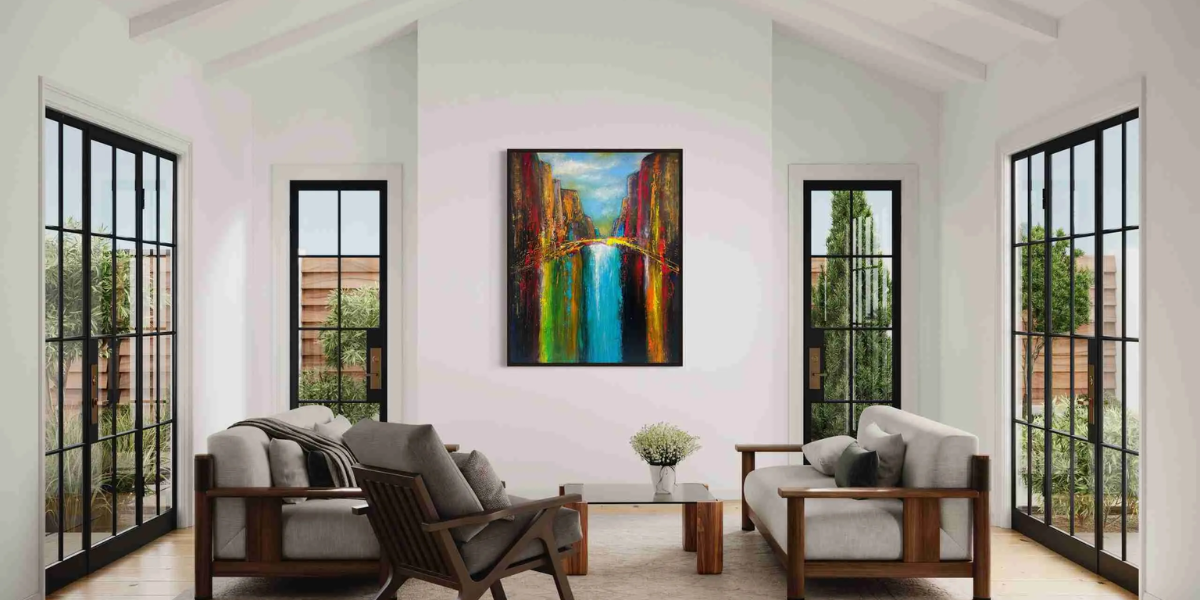
Art Can Transform Your Living Space Guide to Choosing the Perfect Piece
A living space reflects personality, taste, and lifestyle. Every element inside a home contributes to the atmosphere, but art holds a unique power to completely transform the environment. A thoughtfully chosen artwork can turn an ordinary room into a sophisticated and inspiring space. Colors, textures, and creative expressions found in paintings or wall art influence mood, energy, and visual balance within a room. Art is not simply decoration. It is a storytelling element that brings life, meaning, and emotion into interiors. A carefully selected painting can become the focal point of a room, spark conversation, and add depth to the overall design. Whether placed in a living room, bedroom, hallway, or office, art has the ability to elevate the entire interior aesthetic. Choosing the perfect artwork for a living space may appear challenging at first. With countless styles, sizes, and themes available, selecting the right piece requires thoughtful consideration. Understanding how art interacts with color palettes, furniture arrangement, and room lighting can help create a harmonious and visually appealing environment. This guide explores how art can transform living spaces and provides practical tips for selecting the perfect piece that enhances interior design while reflecting personal taste. The Power of Art in Interior Design Interior design focuses on creating a balanced and visually pleasing environment. Art plays a critical role in achieving that balance. A single painting or wall piece can change the entire atmosphere of a room, making it feel more vibrant, calm, sophisticated, or creative. Artwork acts as a visual anchor that connects different design elements within a space. Furniture, lighting, wall colors, and decorative items become more cohesive when art ties them together. Without art, a room may appear unfinished or lacking character. Art also influences emotional experiences within a space. Warm colors such as red, orange, and yellow create energy and excitement, while cool colors like blue and green provide calmness and relaxation. Abstract art can introduce creativity and curiosity, while landscape paintings may evoke feelings of peace and natural beauty. The presence of art allows individuals to personalize their living environment. Every piece carries a unique story or artistic expression that reflects the personality and preferences of the homeowner. Creating a Focal Point with Artwork Every well-designed room benefits from a strong focal point. This focal point draws attention and creates visual structure within the space. Artwork is one of the most effective ways to establish this central element. Large paintings placed above a sofa, bed, or dining table naturally attract the eye and define the room’s visual center. When guests enter the space, their attention is immediately drawn toward the artwork, making it a conversation starter and a defining feature of the interior. Statement art pieces can transform empty walls into dynamic visual displays. Instead of filling a room with many small decorations, one bold artwork often creates a stronger design impact. A dramatic painting or modern canvas print can elevate the entire room without overwhelming the design. The focal point effect becomes even stronger when art contrasts slightly with surrounding colors or textures. For example, a bright painting placed against a neutral wall can create a striking visual balance. Matching Art with Interior Style Selecting artwork that complements interior design style helps maintain harmony within a living space. Different artistic styles work better with specific interior themes. Modern interiors often pair well with abstract paintings, geometric designs, and minimalistic artworks. These pieces reflect simplicity and contemporary elegance. Neutral tones with subtle color accents create a clean and sophisticated look. Traditional interiors benefit from classical paintings, landscapes, and detailed artistic compositions. These artworks add warmth and timeless charm to the environment. Bohemian-style interiors encourage artistic freedom. Vibrant paintings, mixed textures, and cultural artwork can create a relaxed and expressive space filled with personality. Scandinavian interiors emphasize simplicity and calmness. Soft-toned artwork, nature-inspired paintings, and minimal designs align perfectly with this aesthetic. Understanding the relationship between art style and interior design ensures that artwork enhances the space rather than clashing with it. Choosing the Right Size of Artwork Size plays a crucial role in determining how artwork fits within a room. Selecting the wrong size may cause imbalance in the interior layout. Large walls often require large artwork or gallery-style arrangements. A small painting placed on a large wall may appear lost and insignificant. Oversized artwork, on the other hand, fills empty space and creates a dramatic visual statement. Medium-sized artworks work well above furniture pieces such as sofas, consoles, or beds. Ideally, the artwork should span approximately two-thirds the width of the furniture beneath it to maintain visual balance. Small artworks are best displayed in groups or gallery walls. Combining multiple pieces creates an artistic arrangement that fills space while showcasing different creative expressions. When planning artwork placement, measuring wall space beforehand helps ensure the selected piece fits proportionally within the room. Understanding Color Harmony Color coordination is an essential factor when choosing art for a living space. Artwork should complement the room’s existing color palette while adding visual interest. One approach involves selecting art that includes colors already present in the room. For example, if a living room features blue cushions and neutral walls, artwork containing blue tones can strengthen design cohesion. Another approach focuses on contrast. Bold artwork with vibrant colors can stand out against neutral walls, creating a dramatic visual effect. This technique works particularly well in modern interiors where minimal furniture allows artwork to shine. Color also affects emotional perception. Bright colors energize a space, while soft tones promote calmness and relaxation. Bedrooms often benefit from soothing artwork, while living rooms can accommodate more dynamic and expressive pieces. Balancing color harmony ensures that art enhances the interior rather than overwhelming it. The Impact of Lighting on Artwork Lighting dramatically influences how artwork appears within a room. Proper illumination enhances color depth, texture, and detail within a painting. Natural light creates a soft and authentic viewing experience. Artwork placed near windows can benefit from daylight, though excessive sunlight may cause long-term