
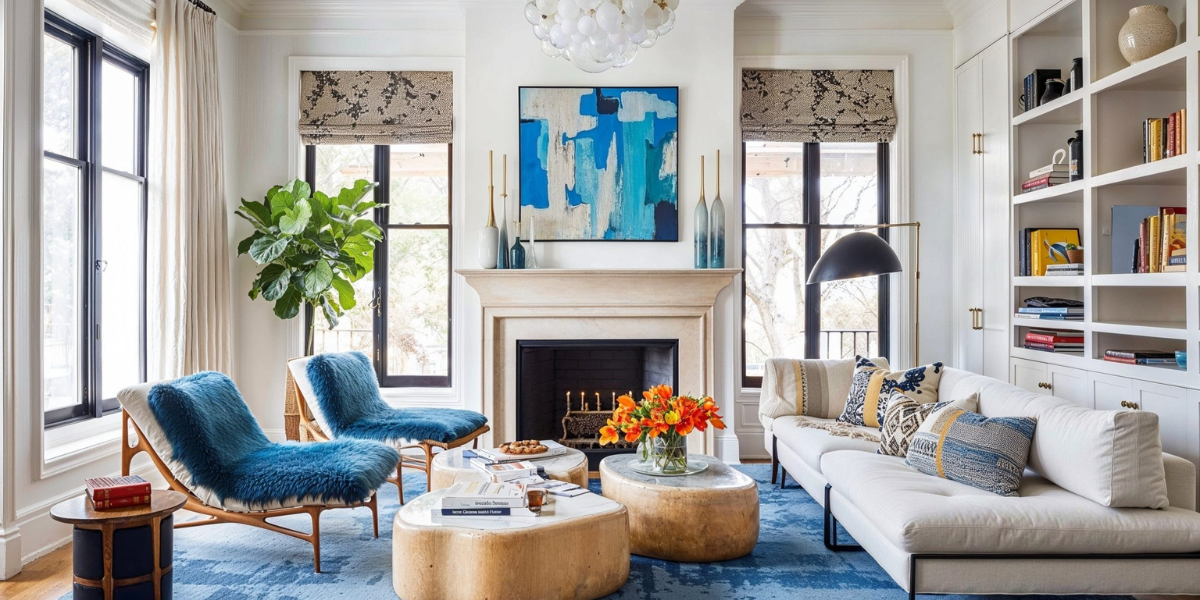
Creating a beautiful and inviting home is more than simply arranging furniture and adding decorative pieces. A thoughtfully designed space reflects personality, lifestyle, and comfort. Luxury home decor products play a significant role in transforming ordinary interiors into elegant environments that inspire relaxation and admiration. From sophisticated wall art to designer lighting and premium furniture accents, luxury decor elements can instantly elevate the atmosphere of any room. When carefully selected and combined, these pieces bring harmony, warmth, and refinement to living spaces of every size. Luxury home decor is not only about appearance; it also represents quality craftsmanship, durable materials, and timeless design. Unlike mass-produced items, premium decor products are often created with attention to detail and artistic inspiration. These products introduce textures, colors, and patterns that enrich interior spaces and create a sense of exclusivity. Whether the goal is to redesign a living room, upgrade a bedroom, or enhance a dining area, luxury decor pieces provide endless possibilities for creating stunning interiors. The Power of Elegant Interior Design A well-designed home influences mood, productivity, and overall well-being. Elegant interior design combines visual appeal with comfort and functionality. Luxury home decor products contribute to this balance by introducing elements that stand out while complementing the surrounding environment. Rich fabrics, polished metals, handcrafted wood pieces, and artistic sculptures create focal points that draw attention and define the personality of a room. When luxury decor is integrated into an interior space, the result often feels cohesive and sophisticated. Decorative mirrors reflect natural light and make rooms appear larger. Designer vases add artistic flair to tables and shelves. Unique wall decorations turn blank surfaces into captivating visual displays. Each decorative item contributes to the overall theme, allowing homeowners to craft interiors that feel both luxurious and welcoming. Transforming Living Rooms with Luxury Decor The living room is often considered the heart of the home. It is where family members gather, guests are entertained, and relaxation takes place. Because of its importance, many homeowners choose to invest in luxury decor products that enhance the living room’s atmosphere. High-end wall art can serve as a centerpiece, giving the room a strong visual identity. Decorative cushions made with premium fabrics add both comfort and style to sofas and armchairs. Elegant coffee table accessories, such as designer trays and sculptural objects, create a polished look while maintaining functionality. Lighting also plays a crucial role in living room transformation. Luxury floor lamps, chandeliers, or pendant lights provide both illumination and decorative appeal. The soft glow of well-designed lighting fixtures enhances textures and colors throughout the room, creating a warm and inviting environment. Elevating Bedrooms with Sophisticated Decor A bedroom should feel like a private sanctuary, offering peace and comfort after a long day. Luxury home decor products help create a calming atmosphere that promotes relaxation and restful sleep. Soft textiles, decorative lighting, and carefully chosen accents contribute to a serene environment that balances style and comfort. Premium bedding sets, elegant bedside lamps, and artistic wall panels can instantly elevate bedroom aesthetics. Decorative mirrors and minimalistic sculptures bring sophistication without overwhelming the space. When textures such as velvet, linen, or silk are introduced through pillows and throws, the room gains depth and visual richness. Subtle color palettes combined with luxurious materials help create a tranquil environment that feels refined and inviting. The result is a bedroom that functions not only as a place to sleep but also as a space for relaxation and rejuvenation. Enhancing Dining Spaces with Luxury Touches Dining rooms are places where memorable conversations and special meals take place. Luxury decor products can enhance these experiences by creating a visually appealing setting that feels both elegant and welcoming. Designer table centerpieces, decorative candle holders, and artistic serving trays can transform an ordinary dining table into a sophisticated focal point. Elegant wall decor or framed artwork adds personality and style to surrounding walls. High-quality lighting fixtures placed above the dining table help define the space while providing warm illumination for gatherings and celebrations. Even small decorative details, such as handcrafted bowls or premium table accessories, can make a significant difference in how a dining area feels. Luxury decor introduces refinement and character, turning everyday meals into memorable moments. Luxury Decor for Entryways and Hallways Entryways create the first impression of a home. A beautifully decorated entrance sets the tone for the entire interior. Luxury home decor products can make entryways feel welcoming and stylish from the moment someone steps inside. Decorative consoles, artistic mirrors, and elegant lighting fixtures are commonly used to enhance these transitional spaces. Sculptural decor items placed on tables or shelves add character without cluttering the area. Carefully chosen rugs introduce warmth and texture while guiding visitors into the main living spaces. Hallways can also benefit from luxury decor elements. Gallery-style wall art, modern lighting fixtures, and decorative accents transform simple corridors into visually engaging spaces that connect different parts of the home. The Role of Materials in Luxury Home Decor One of the defining characteristics of luxury decor is the use of premium materials. High-quality materials not only enhance durability but also contribute to the overall aesthetic appeal of decor products. Natural wood, polished marble, brushed brass, crystal glass, and soft textiles are frequently used in luxury home decor. These materials create depth and visual contrast within interior spaces. For example, marble surfaces introduce elegance and timeless beauty, while wooden accents bring warmth and natural charm. Metallic finishes add a modern touch and reflect light in interesting ways. When different materials are combined thoughtfully, they produce a layered look that feels rich and sophisticated. This careful blending of textures and finishes is a key element in achieving a luxurious interior design. Art and Sculptures as Statement Pieces Art plays a powerful role in home decoration. Luxury artwork and sculptures provide a unique opportunity to express personal taste and creativity. Large canvas paintings, abstract metal wall sculptures, and handcrafted decorative pieces often become conversation starters within a home. Statement art pieces create focal
Luxury Dresses Collection: Discover Elegant Styles for Special Occasion
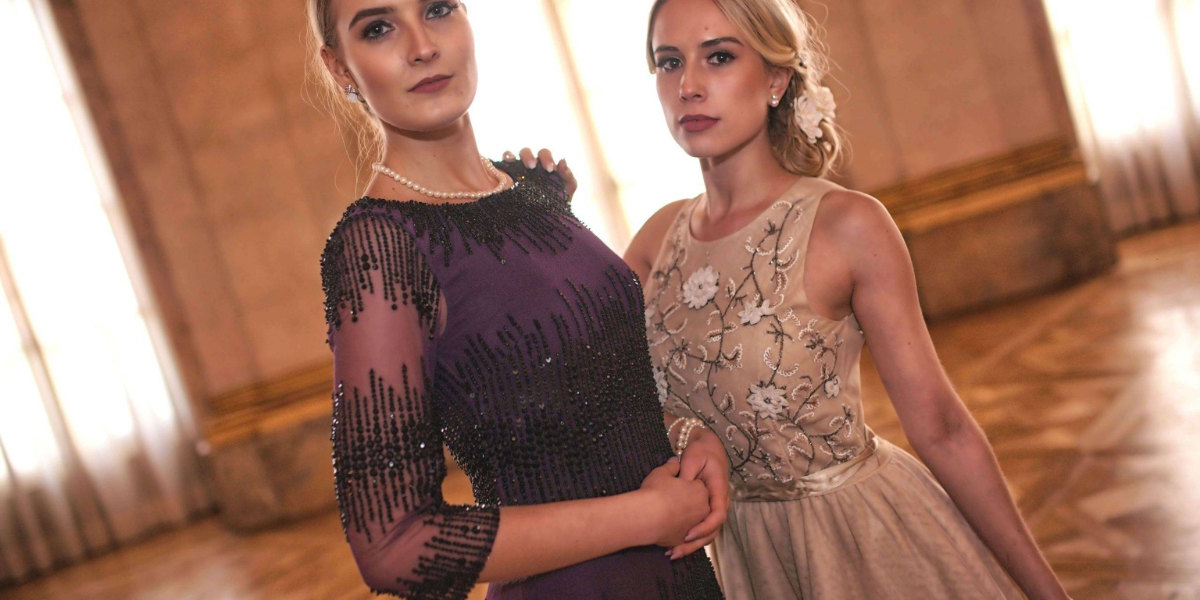
Luxury dresses have always represented elegance, sophistication, and timeless beauty. Fashion enthusiasts often seek outfits that not only enhance appearance but also reflect personality and confidence. A luxury dress collection offers carefully designed garments crafted with premium fabrics, exquisite details, and exceptional craftsmanship. These dresses are more than just clothing pieces; they are statements of style and grace suitable for life’s most memorable occasions. From glamorous evening gowns to elegant cocktail dresses, luxury collections are designed to make every moment feel extraordinary. Whether attending a wedding, a formal dinner, a gala event, or a festive celebration, the right dress can elevate confidence and create a lasting impression. A well-curated luxury dress collection provides a wide variety of styles, colors, and silhouettes to suit different tastes and events. The Beauty of Luxury Fashion Luxury fashion focuses on high-quality materials, expert tailoring, and unique designs that stand out from regular clothing collections. Designers pay close attention to every detail, from the stitching to the fabric texture, ensuring each dress delivers both comfort and style. Fine fabrics such as silk, satin, chiffon, velvet, and lace are commonly used in luxury dresses because they provide a rich and elegant appearance. The beauty of luxury fashion lies in its ability to combine tradition with modern trends. Many luxury dresses feature classic silhouettes inspired by timeless fashion, while also incorporating contemporary design elements. This balance allows wearers to enjoy outfits that remain stylish for years while still feeling modern and fresh. Luxury dresses are also designed to flatter different body shapes. Carefully structured designs, flowing fabrics, and thoughtfully placed details help create flattering silhouettes that highlight natural beauty. Elegant Dresses for Formal Events Formal occasions often require outfits that reflect sophistication and grace. Luxury evening gowns are perfect for events such as gala dinners, award ceremonies, and upscale parties. These gowns typically feature flowing fabrics, elegant cuts, and refined embellishments that add glamour without overwhelming the design. Floor-length gowns remain one of the most popular choices for formal events. These dresses create a dramatic and graceful appearance while offering timeless elegance. Styles may include fitted bodices, flowing skirts, and delicate details such as embroidery, sequins, or beadwork. Some luxury dresses feature dramatic design elements such as high slits, off-shoulder necklines, or elegant cap sleeves. These features add a modern touch while maintaining the overall sophistication of the dress. Wedding Guest Luxury Dresses Weddings are among the most memorable social events, and choosing the perfect outfit plays an important role in the celebration. Luxury dresses designed for wedding guests combine elegance with festive charm. Soft fabrics, romantic colors, and graceful silhouettes make these dresses ideal for celebrating love and joy. Popular wedding guest dresses often include floral patterns, pastel shades, and flowing midi or maxi lengths. These styles provide comfort while maintaining a refined appearance suitable for both daytime and evening ceremonies. Luxury collections also include elegant cocktail dresses that work perfectly for semi-formal wedding receptions. These dresses offer a stylish balance between casual and formal fashion, making them versatile options for various celebrations. Cocktail Dresses for Stylish Celebrations Cocktail dresses represent one of the most versatile categories in luxury fashion. These dresses are designed for events that fall between casual and formal, such as parties, business celebrations, or evening gatherings. A well-designed cocktail dress can deliver both elegance and modern style. Luxury cocktail dresses often feature sleek silhouettes, stylish necklines, and high-quality fabrics that enhance the overall look. Popular designs include fitted bodycon styles, A-line dresses, and wrap dresses that complement different body shapes. Designers frequently experiment with textures and embellishments when creating cocktail dresses. Lace overlays, satin finishes, delicate pleats, and minimal beadwork add visual interest while maintaining a sophisticated appearance. Luxury Dresses for Festive Celebrations Festivals and special celebrations call for vibrant fashion that reflects joy and excitement. Luxury dress collections often include colorful and expressive designs suitable for festive occasions. Rich tones such as emerald green, royal blue, deep red, and gold create a striking visual impact. Many festive luxury dresses feature decorative elements such as sequins, embroidery, or metallic accents that catch the light and add glamour to the outfit. These dresses allow wearers to celebrate in style while maintaining comfort throughout the event. Flowing maxi dresses, elegant wrap styles, and modern layered designs are particularly popular choices for festive celebrations. These styles provide both elegance and ease of movement, making them perfect for long events. The Importance of Premium Fabrics One of the defining features of luxury dresses is the use of premium fabrics. High-quality materials not only enhance the visual appeal of a dress but also improve comfort and durability. Fabrics such as silk, chiffon, velvet, and satin provide a luxurious feel that is instantly noticeable. Silk dresses are known for their soft texture and natural sheen, making them ideal for formal occasions. Satin offers a smooth and glossy finish that adds glamour to evening gowns and cocktail dresses. Chiffon creates a lightweight and flowing silhouette that works beautifully for romantic and elegant designs. Velvet, on the other hand, provides a rich and sophisticated look often associated with winter fashion and formal events. Its soft texture and deep color tones make it a popular choice for luxurious evening wear. Modern Design Trends in Luxury Dresses Fashion trends continue to evolve, and luxury dress collections often incorporate modern design elements while maintaining timeless elegance. Contemporary trends include minimalist silhouettes, bold colors, and creative textures that add uniqueness to each design. One of the most popular modern trends is the combination of simplicity and elegance. Minimalist luxury dresses focus on clean lines and refined tailoring rather than heavy embellishments. This style creates a sophisticated look that remains stylish across seasons. Another trend includes statement sleeves and unique necklines. Puff sleeves, one-shoulder designs, and asymmetrical cuts add visual interest and personality to luxury dresses. These features transform simple dresses into standout fashion pieces. Finding the Perfect Luxury Dress Choosing the right luxury dress involves considering several factors, including the occasion, personal style,
From Canvas to Home Décor: Discover the Beauty of Modern Art
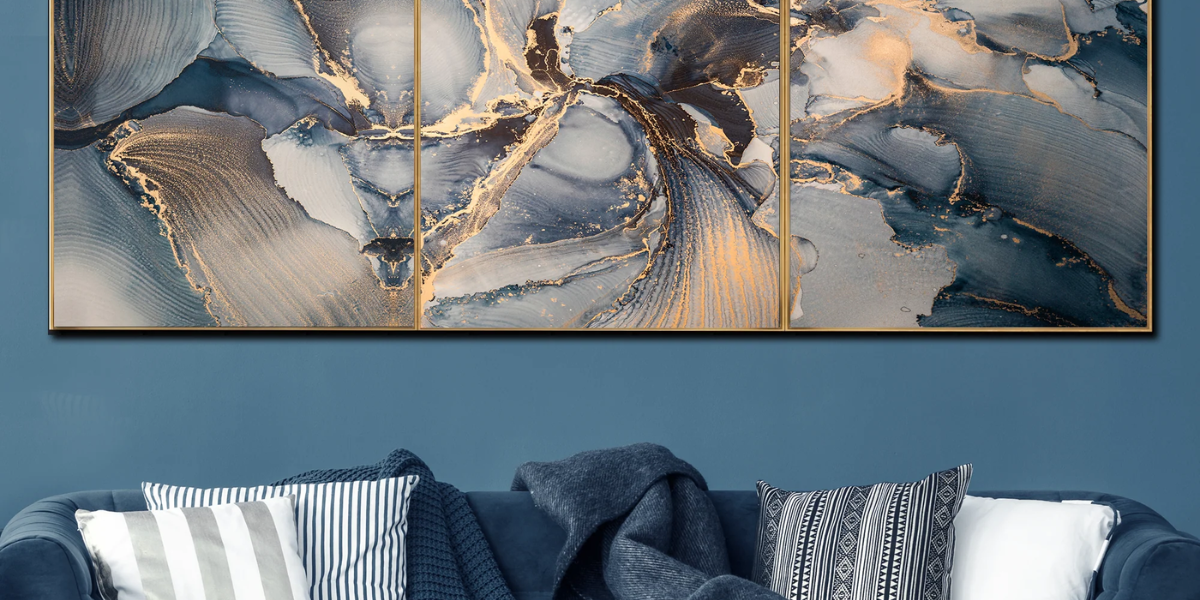
Introduction to Modern Art in Home Décor Modern art has transformed the way interiors are designed and experienced. Once confined to galleries and museums, artistic creations now play a powerful role in everyday living spaces. Homes today are not just places to live but also reflections of personality, creativity, and taste. The integration of modern art into home décor allows individuals to express style, emotion, and inspiration within their personal environments. From bold abstract paintings to minimalist line art, modern artwork has become an essential element in contemporary interior design. A carefully chosen piece of art can elevate an ordinary wall into a stunning focal point. It brings color, depth, and character to living rooms, bedrooms, offices, and even hallways. The journey from canvas to home décor represents the transformation of art into a living experience that enhances comfort and aesthetics. Modern art offers endless possibilities for decorating spaces. Whether a large statement painting above a sofa or a curated gallery wall in a hallway, artwork can redefine the atmosphere of any room. As e-commerce platforms make art more accessible than ever, finding the perfect piece for a home has become easier and more convenient. The Evolution of Art in Interior Design Art has always played a significant role in interior decoration. In earlier centuries, paintings and sculptures were primarily found in palaces, churches, and aristocratic homes. Over time, the appreciation of art expanded to everyday living spaces. With the rise of modern art movements in the twentieth century, artists began experimenting with new styles, materials, and concepts. Modern art moved beyond traditional realism and embraced abstraction, symbolism, and emotional expression. These artistic innovations opened the door for art to become a versatile décor element rather than just a decorative luxury. Interior designers began incorporating art pieces to create mood, balance, and visual harmony within spaces. Today, art is considered a vital component of interior design. Homes without artwork often feel incomplete, while thoughtfully chosen pieces can transform even the simplest spaces into stylish environments. Modern art blends seamlessly with contemporary furniture, neutral color palettes, and minimalist designs, making it a perfect match for modern homes. Why Modern Art is Perfect for Contemporary Homes Modern homes often emphasize simplicity, open spaces, and clean lines. Artwork plays an important role in adding personality and warmth to these minimalist interiors. A vibrant abstract painting can bring life to a neutral wall, while monochrome artwork can enhance a sophisticated and elegant atmosphere. Modern art works well with different interior styles, including minimalist, Scandinavian, industrial, and contemporary décor. The versatility of modern artwork allows homeowners to experiment with colors, textures, and themes without overwhelming the space. Another advantage of modern art is its ability to create visual balance. For example, a large artwork above a sofa or bed helps anchor furniture within a room. Smaller pieces arranged in a gallery style can add movement and rhythm to blank walls. This flexibility makes modern art an ideal choice for decorating homes of all sizes. Transforming Walls into Artistic Statements Blank walls often represent untapped potential in interior spaces. Adding modern artwork can instantly transform these empty surfaces into captivating design elements. A single bold painting can serve as a statement piece that defines the entire room’s mood. Large canvas artworks are particularly effective in living rooms and dining areas where they become the central focus of the décor. Abstract art with bold colors can energize the room, while soft-toned artwork creates a calming and relaxing environment. Gallery walls are another popular trend in modern home décor. By combining multiple artworks in different sizes and frames, homeowners can create visually interesting arrangements that tell a story. These displays often mix paintings, illustrations, photographs, and prints to achieve a layered and personalized aesthetic. The placement of artwork also plays a crucial role. Hanging art at eye level and ensuring proper spacing between pieces helps maintain visual harmony. When placed thoughtfully, modern art becomes an integral part of the home’s design rather than just an accessory. The Emotional Impact of Art in Living Spaces Art is more than decoration; it carries emotional and psychological significance. The colors, shapes, and themes present in artwork influence how a space feels and how people respond to it. Warm tones such as red, orange, and yellow bring energy and vibrancy, while cool colors like blue and green create tranquility and relaxation. Abstract art often encourages interpretation and imagination. Different viewers may perceive different meanings in the same piece, making art an engaging and thought-provoking addition to the home. This interactive quality allows art to connect with individuals on a personal level. Living spaces decorated with meaningful artwork tend to feel more inviting and inspiring. Art can reflect memories, interests, or aspirations, making the home environment more emotionally fulfilling. Whether it represents nature, culture, or pure creativity, modern art enriches daily life through visual expression. Choosing the Right Artwork for Each Room Selecting artwork for a home requires thoughtful consideration of space, color schemes, and overall interior style. Each room serves a different purpose, and the artwork chosen should complement that function. Living rooms often benefit from large statement pieces that capture attention and set the tone for the entire home. Bold abstract art or contemporary landscapes work well in these social spaces. Bedrooms, on the other hand, typically feature calming artwork that promotes relaxation and comfort. Dining areas can showcase artistic pieces that stimulate conversation and visual interest. Offices or study spaces may benefit from motivational or minimalist artwork that enhances focus and productivity. Hallways and entryways offer opportunities for creative displays such as gallery walls or themed collections. These areas introduce visitors to the home’s artistic personality while making use of otherwise overlooked spaces. The Role of Color and Texture in Modern Art Décor Color is one of the most powerful elements of modern artwork. The right color palette can complement existing furniture, accent walls, and decorative accessories. Neutral interiors often rely on colorful artwork to create contrast and visual
Art Can Transform Your Living Space Guide to Choosing the Perfect Piece
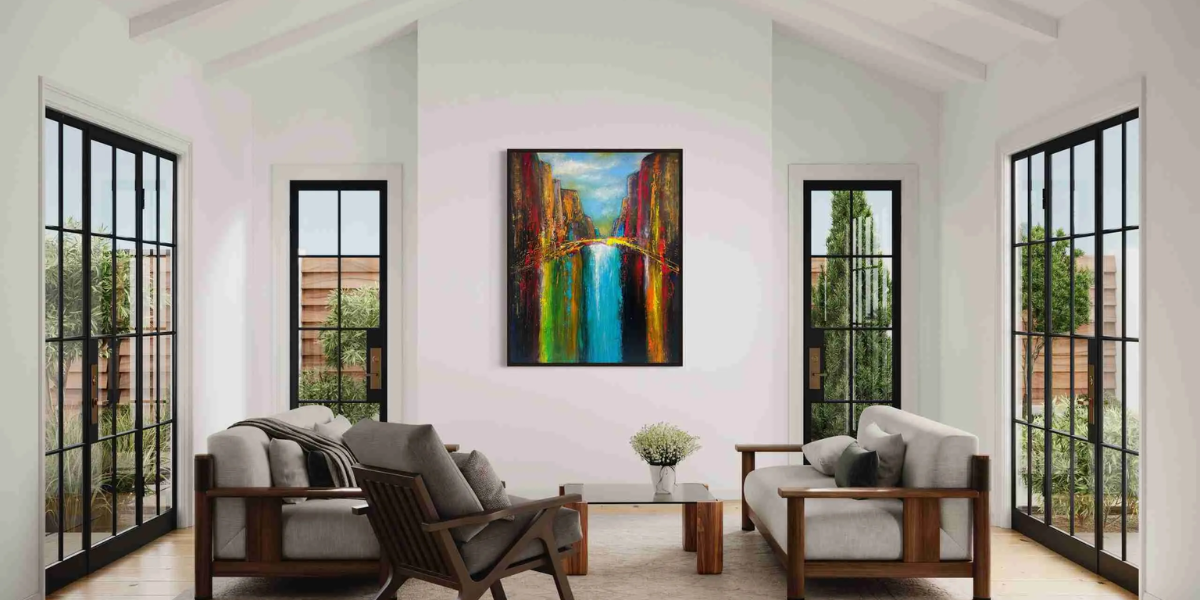
A living space reflects personality, taste, and lifestyle. Every element inside a home contributes to the atmosphere, but art holds a unique power to completely transform the environment. A thoughtfully chosen artwork can turn an ordinary room into a sophisticated and inspiring space. Colors, textures, and creative expressions found in paintings or wall art influence mood, energy, and visual balance within a room. Art is not simply decoration. It is a storytelling element that brings life, meaning, and emotion into interiors. A carefully selected painting can become the focal point of a room, spark conversation, and add depth to the overall design. Whether placed in a living room, bedroom, hallway, or office, art has the ability to elevate the entire interior aesthetic. Choosing the perfect artwork for a living space may appear challenging at first. With countless styles, sizes, and themes available, selecting the right piece requires thoughtful consideration. Understanding how art interacts with color palettes, furniture arrangement, and room lighting can help create a harmonious and visually appealing environment. This guide explores how art can transform living spaces and provides practical tips for selecting the perfect piece that enhances interior design while reflecting personal taste. The Power of Art in Interior Design Interior design focuses on creating a balanced and visually pleasing environment. Art plays a critical role in achieving that balance. A single painting or wall piece can change the entire atmosphere of a room, making it feel more vibrant, calm, sophisticated, or creative. Artwork acts as a visual anchor that connects different design elements within a space. Furniture, lighting, wall colors, and decorative items become more cohesive when art ties them together. Without art, a room may appear unfinished or lacking character. Art also influences emotional experiences within a space. Warm colors such as red, orange, and yellow create energy and excitement, while cool colors like blue and green provide calmness and relaxation. Abstract art can introduce creativity and curiosity, while landscape paintings may evoke feelings of peace and natural beauty. The presence of art allows individuals to personalize their living environment. Every piece carries a unique story or artistic expression that reflects the personality and preferences of the homeowner. Creating a Focal Point with Artwork Every well-designed room benefits from a strong focal point. This focal point draws attention and creates visual structure within the space. Artwork is one of the most effective ways to establish this central element. Large paintings placed above a sofa, bed, or dining table naturally attract the eye and define the room’s visual center. When guests enter the space, their attention is immediately drawn toward the artwork, making it a conversation starter and a defining feature of the interior. Statement art pieces can transform empty walls into dynamic visual displays. Instead of filling a room with many small decorations, one bold artwork often creates a stronger design impact. A dramatic painting or modern canvas print can elevate the entire room without overwhelming the design. The focal point effect becomes even stronger when art contrasts slightly with surrounding colors or textures. For example, a bright painting placed against a neutral wall can create a striking visual balance. Matching Art with Interior Style Selecting artwork that complements interior design style helps maintain harmony within a living space. Different artistic styles work better with specific interior themes. Modern interiors often pair well with abstract paintings, geometric designs, and minimalistic artworks. These pieces reflect simplicity and contemporary elegance. Neutral tones with subtle color accents create a clean and sophisticated look. Traditional interiors benefit from classical paintings, landscapes, and detailed artistic compositions. These artworks add warmth and timeless charm to the environment. Bohemian-style interiors encourage artistic freedom. Vibrant paintings, mixed textures, and cultural artwork can create a relaxed and expressive space filled with personality. Scandinavian interiors emphasize simplicity and calmness. Soft-toned artwork, nature-inspired paintings, and minimal designs align perfectly with this aesthetic. Understanding the relationship between art style and interior design ensures that artwork enhances the space rather than clashing with it. Choosing the Right Size of Artwork Size plays a crucial role in determining how artwork fits within a room. Selecting the wrong size may cause imbalance in the interior layout. Large walls often require large artwork or gallery-style arrangements. A small painting placed on a large wall may appear lost and insignificant. Oversized artwork, on the other hand, fills empty space and creates a dramatic visual statement. Medium-sized artworks work well above furniture pieces such as sofas, consoles, or beds. Ideally, the artwork should span approximately two-thirds the width of the furniture beneath it to maintain visual balance. Small artworks are best displayed in groups or gallery walls. Combining multiple pieces creates an artistic arrangement that fills space while showcasing different creative expressions. When planning artwork placement, measuring wall space beforehand helps ensure the selected piece fits proportionally within the room. Understanding Color Harmony Color coordination is an essential factor when choosing art for a living space. Artwork should complement the room’s existing color palette while adding visual interest. One approach involves selecting art that includes colors already present in the room. For example, if a living room features blue cushions and neutral walls, artwork containing blue tones can strengthen design cohesion. Another approach focuses on contrast. Bold artwork with vibrant colors can stand out against neutral walls, creating a dramatic visual effect. This technique works particularly well in modern interiors where minimal furniture allows artwork to shine. Color also affects emotional perception. Bright colors energize a space, while soft tones promote calmness and relaxation. Bedrooms often benefit from soothing artwork, while living rooms can accommodate more dynamic and expressive pieces. Balancing color harmony ensures that art enhances the interior rather than overwhelming it. The Impact of Lighting on Artwork Lighting dramatically influences how artwork appears within a room. Proper illumination enhances color depth, texture, and detail within a painting. Natural light creates a soft and authentic viewing experience. Artwork placed near windows can benefit from daylight, though excessive sunlight may cause long-term