Modern art has transformed the way interiors are designed and experienced. Once confined to galleries and museums, artistic creations now play a powerful role in everyday living spaces. Homes today are not just places to live but also reflections of personality, creativity, and taste. The integration of modern art into home décor allows individuals to express style, emotion, and inspiration within their personal environments.
From bold abstract paintings to minimalist line art, modern artwork has become an essential element in contemporary interior design. A carefully chosen piece of art can elevate an ordinary wall into a stunning focal point. It brings color, depth, and character to living rooms, bedrooms, offices, and even hallways. The journey from canvas to home décor represents the transformation of art into a living experience that enhances comfort and aesthetics.
Modern art offers endless possibilities for decorating spaces. Whether a large statement painting above a sofa or a curated gallery wall in a hallway, artwork can redefine the atmosphere of any room. As e-commerce platforms make art more accessible than ever, finding the perfect piece for a home has become easier and more convenient.
Art has always played a significant role in interior decoration. In earlier centuries, paintings and sculptures were primarily found in palaces, churches, and aristocratic homes. Over time, the appreciation of art expanded to everyday living spaces. With the rise of modern art movements in the twentieth century, artists began experimenting with new styles, materials, and concepts.
Modern art moved beyond traditional realism and embraced abstraction, symbolism, and emotional expression. These artistic innovations opened the door for art to become a versatile décor element rather than just a decorative luxury. Interior designers began incorporating art pieces to create mood, balance, and visual harmony within spaces.
Today, art is considered a vital component of interior design. Homes without artwork often feel incomplete, while thoughtfully chosen pieces can transform even the simplest spaces into stylish environments. Modern art blends seamlessly with contemporary furniture, neutral color palettes, and minimalist designs, making it a perfect match for modern homes.
Modern homes often emphasize simplicity, open spaces, and clean lines. Artwork plays an important role in adding personality and warmth to these minimalist interiors. A vibrant abstract painting can bring life to a neutral wall, while monochrome artwork can enhance a sophisticated and elegant atmosphere.
Modern art works well with different interior styles, including minimalist, Scandinavian, industrial, and contemporary décor. The versatility of modern artwork allows homeowners to experiment with colors, textures, and themes without overwhelming the space.
Another advantage of modern art is its ability to create visual balance. For example, a large artwork above a sofa or bed helps anchor furniture within a room. Smaller pieces arranged in a gallery style can add movement and rhythm to blank walls. This flexibility makes modern art an ideal choice for decorating homes of all sizes.
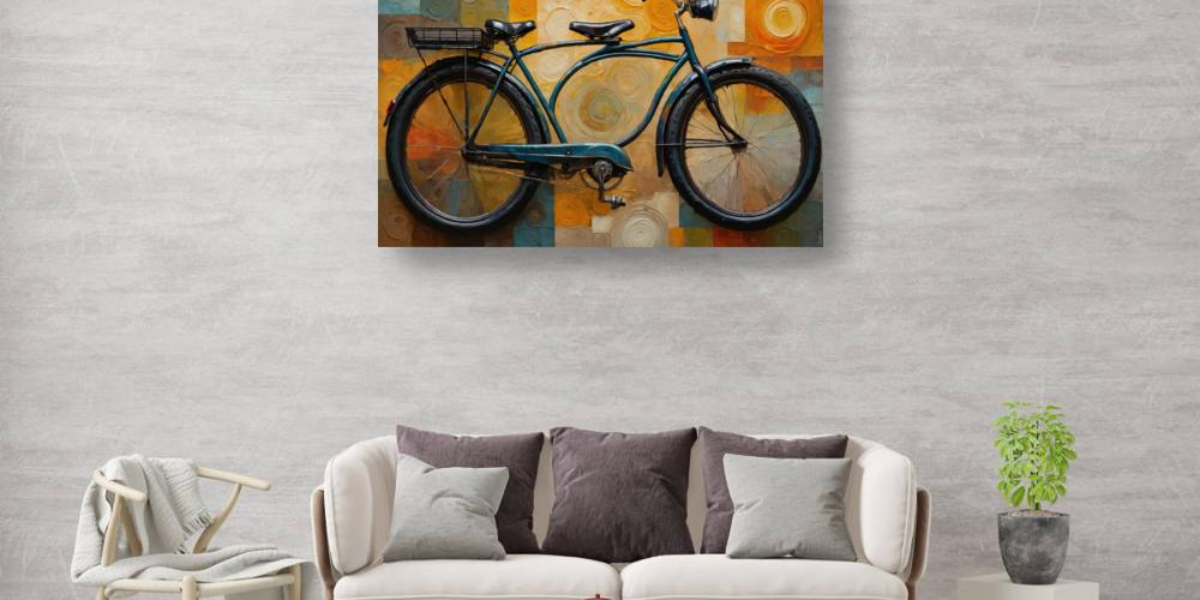
Blank walls often represent untapped potential in interior spaces. Adding modern artwork can instantly transform these empty surfaces into captivating design elements. A single bold painting can serve as a statement piece that defines the entire room’s mood.
Large canvas artworks are particularly effective in living rooms and dining areas where they become the central focus of the décor. Abstract art with bold colors can energize the room, while soft-toned artwork creates a calming and relaxing environment.
Gallery walls are another popular trend in modern home décor. By combining multiple artworks in different sizes and frames, homeowners can create visually interesting arrangements that tell a story. These displays often mix paintings, illustrations, photographs, and prints to achieve a layered and personalized aesthetic.
The placement of artwork also plays a crucial role. Hanging art at eye level and ensuring proper spacing between pieces helps maintain visual harmony. When placed thoughtfully, modern art becomes an integral part of the home’s design rather than just an accessory.
Art is more than decoration; it carries emotional and psychological significance. The colors, shapes, and themes present in artwork influence how a space feels and how people respond to it. Warm tones such as red, orange, and yellow bring energy and vibrancy, while cool colors like blue and green create tranquility and relaxation.
Abstract art often encourages interpretation and imagination. Different viewers may perceive different meanings in the same piece, making art an engaging and thought-provoking addition to the home. This interactive quality allows art to connect with individuals on a personal level.
Living spaces decorated with meaningful artwork tend to feel more inviting and inspiring. Art can reflect memories, interests, or aspirations, making the home environment more emotionally fulfilling. Whether it represents nature, culture, or pure creativity, modern art enriches daily life through visual expression.
Selecting artwork for a home requires thoughtful consideration of space, color schemes, and overall interior style. Each room serves a different purpose, and the artwork chosen should complement that function.
Living rooms often benefit from large statement pieces that capture attention and set the tone for the entire home. Bold abstract art or contemporary landscapes work well in these social spaces. Bedrooms, on the other hand, typically feature calming artwork that promotes relaxation and comfort.
Dining areas can showcase artistic pieces that stimulate conversation and visual interest. Offices or study spaces may benefit from motivational or minimalist artwork that enhances focus and productivity.
Hallways and entryways offer opportunities for creative displays such as gallery walls or themed collections. These areas introduce visitors to the home’s artistic personality while making use of otherwise overlooked spaces.
Color is one of the most powerful elements of modern artwork. The right color palette can complement existing furniture, accent walls, and decorative accessories. Neutral interiors often rely on colorful artwork to create contrast and visual excitement.
Textures also add depth and dimension to art pieces. Canvas paintings with visible brushstrokes bring a tactile quality that enhances their visual impact. Mixed media artworks that incorporate materials like metal, wood, or fabric introduce additional layers of interest.
When choosing artwork, it is helpful to consider how colors interact with the room’s lighting and surroundings. Natural light can highlight details and textures, while artificial lighting can be used strategically to spotlight key pieces.
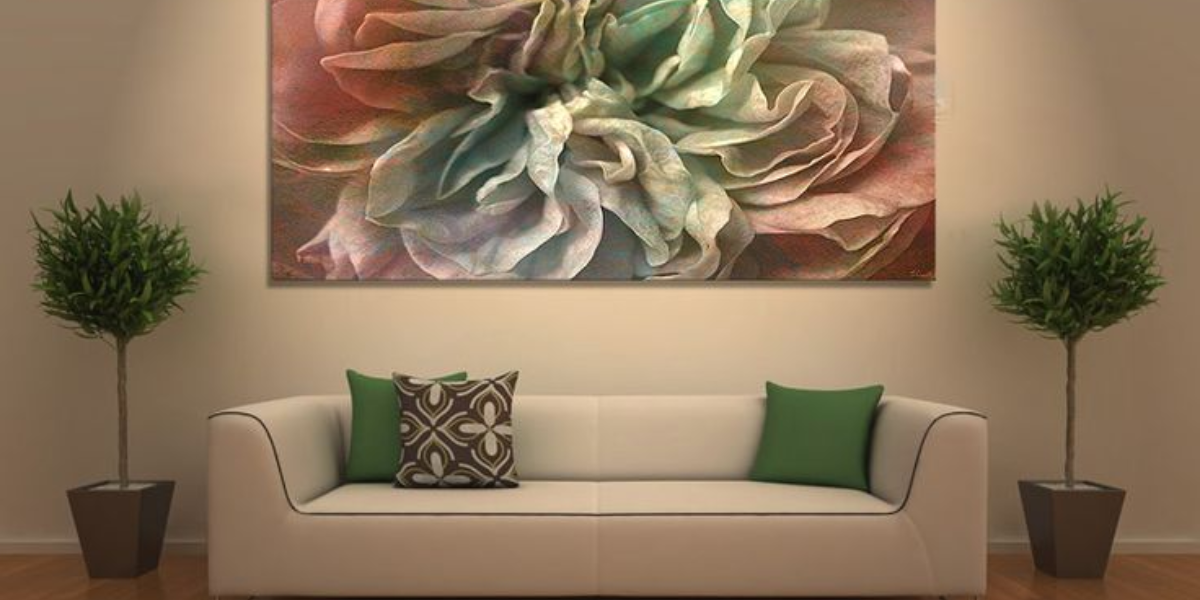
Every home tells a story about its inhabitants. The choice of artwork reflects personal taste, cultural influences, and creative preferences. Modern art offers a wide variety of styles, making it possible for every homeowner to find pieces that resonate with their identity.
Some individuals prefer bold and expressive abstract paintings, while others are drawn to minimalist designs with subtle elegance. Geometric art, line drawings, and contemporary illustrations each create different visual experiences.
Mixing different art styles can also produce a dynamic and eclectic interior design. Combining abstract pieces with photography or traditional artwork creates a unique visual narrative that evolves over time. This freedom of expression makes modern art an exciting and meaningful component of home décor.
The rise of e-commerce has revolutionized the way people discover and purchase artwork. Online art stores provide access to diverse collections from artists around the world. Customers can explore different styles, sizes, and themes without leaving home.
Detailed product descriptions, high-quality images, and customer reviews help buyers make informed decisions when selecting artwork. Many online platforms also offer customizable options, allowing customers to choose frame styles, canvas sizes, or printing materials.
Shipping and delivery services ensure that artworks arrive safely and conveniently at the doorstep. This accessibility has made art collecting more inclusive, enabling more people to incorporate artistic pieces into their homes.
Purchasing art from e-commerce platforms often supports independent artists and creative communities. Many online galleries collaborate with emerging talents, providing them with opportunities to showcase their work to a global audience.
When customers buy artwork, they contribute to sustaining artistic creativity and innovation. This connection between artists and homeowners strengthens the cultural value of art while encouraging new artistic expressions.
Displaying such artworks in homes creates a meaningful relationship between creators and audiences. Every piece carries the story and vision of the artist, making it more than just a decorative object.
Building an art collection for a home does not happen overnight. It evolves gradually as new pieces are discovered and added over time. The key to creating a harmonious collection lies in balancing variety and consistency.
A common theme, color palette, or style can unify different artworks within a space. At the same time, mixing different sizes and formats prevents the arrangement from appearing monotonous. Framing choices also influence the overall presentation and should complement both the artwork and the interior décor.
Rotating artworks occasionally can refresh the look of a room without making significant design changes. This flexibility allows homeowners to experiment with different arrangements and keep their interiors visually engaging.