A living space reflects personality, taste, and lifestyle. Every element inside a home contributes to the atmosphere, but art holds a unique power to completely transform the environment. A thoughtfully chosen artwork can turn an ordinary room into a sophisticated and inspiring space. Colors, textures, and creative expressions found in paintings or wall art influence mood, energy, and visual balance within a room.
Art is not simply decoration. It is a storytelling element that brings life, meaning, and emotion into interiors. A carefully selected painting can become the focal point of a room, spark conversation, and add depth to the overall design. Whether placed in a living room, bedroom, hallway, or office, art has the ability to elevate the entire interior aesthetic.
Choosing the perfect artwork for a living space may appear challenging at first. With countless styles, sizes, and themes available, selecting the right piece requires thoughtful consideration. Understanding how art interacts with color palettes, furniture arrangement, and room lighting can help create a harmonious and visually appealing environment. This guide explores how art can transform living spaces and provides practical tips for selecting the perfect piece that enhances interior design while reflecting personal taste.
Interior design focuses on creating a balanced and visually pleasing environment. Art plays a critical role in achieving that balance. A single painting or wall piece can change the entire atmosphere of a room, making it feel more vibrant, calm, sophisticated, or creative.
Artwork acts as a visual anchor that connects different design elements within a space. Furniture, lighting, wall colors, and decorative items become more cohesive when art ties them together. Without art, a room may appear unfinished or lacking character.
Art also influences emotional experiences within a space. Warm colors such as red, orange, and yellow create energy and excitement, while cool colors like blue and green provide calmness and relaxation. Abstract art can introduce creativity and curiosity, while landscape paintings may evoke feelings of peace and natural beauty. The presence of art allows individuals to personalize their living environment. Every piece carries a unique story or artistic expression that reflects the personality and preferences of the homeowner.
Every well-designed room benefits from a strong focal point. This focal point draws attention and creates visual structure within the space. Artwork is one of the most effective ways to establish this central element. Large paintings placed above a sofa, bed, or dining table naturally attract the eye and define the room’s visual center. When guests enter the space, their attention is immediately drawn toward the artwork, making it a conversation starter and a defining feature of the interior.
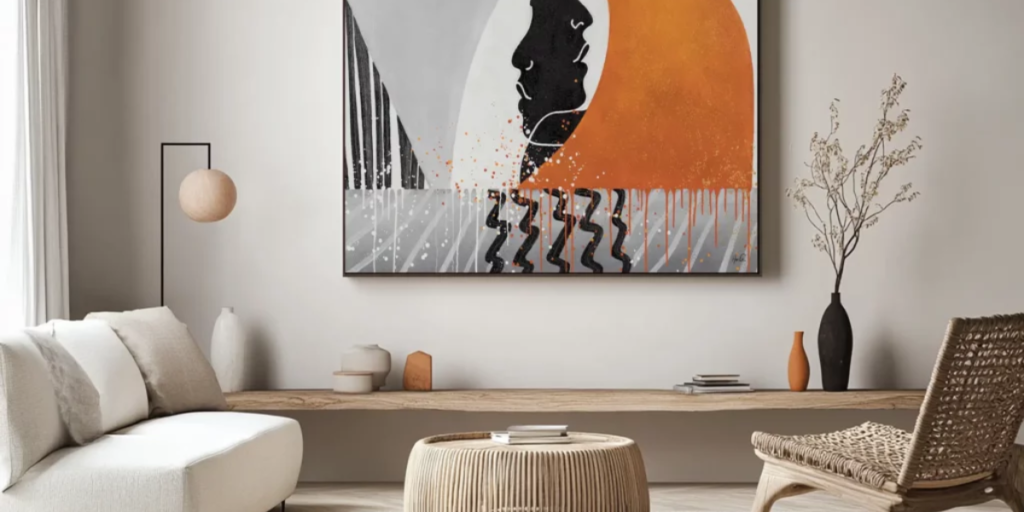
Statement art pieces can transform empty walls into dynamic visual displays. Instead of filling a room with many small decorations, one bold artwork often creates a stronger design impact. A dramatic painting or modern canvas print can elevate the entire room without overwhelming the design. The focal point effect becomes even stronger when art contrasts slightly with surrounding colors or textures. For example, a bright painting placed against a neutral wall can create a striking visual balance.
Selecting artwork that complements interior design style helps maintain harmony within a living space. Different artistic styles work better with specific interior themes. Modern interiors often pair well with abstract paintings, geometric designs, and minimalistic artworks. These pieces reflect simplicity and contemporary elegance. Neutral tones with subtle color accents create a clean and sophisticated look.
Traditional interiors benefit from classical paintings, landscapes, and detailed artistic compositions. These artworks add warmth and timeless charm to the environment. Bohemian-style interiors encourage artistic freedom. Vibrant paintings, mixed textures, and cultural artwork can create a relaxed and expressive space filled with personality.
Scandinavian interiors emphasize simplicity and calmness. Soft-toned artwork, nature-inspired paintings, and minimal designs align perfectly with this aesthetic. Understanding the relationship between art style and interior design ensures that artwork enhances the space rather than clashing with it.
Size plays a crucial role in determining how artwork fits within a room. Selecting the wrong size may cause imbalance in the interior layout.
Large walls often require large artwork or gallery-style arrangements. A small painting placed on a large wall may appear lost and insignificant. Oversized artwork, on the other hand, fills empty space and creates a dramatic visual statement. Medium-sized artworks work well above furniture pieces such as sofas, consoles, or beds. Ideally, the artwork should span approximately two-thirds the width of the furniture beneath it to maintain visual balance.
Small artworks are best displayed in groups or gallery walls. Combining multiple pieces creates an artistic arrangement that fills space while showcasing different creative expressions. When planning artwork placement, measuring wall space beforehand helps ensure the selected piece fits proportionally within the room.
Color coordination is an essential factor when choosing art for a living space. Artwork should complement the room’s existing color palette while adding visual interest.
One approach involves selecting art that includes colors already present in the room. For example, if a living room features blue cushions and neutral walls, artwork containing blue tones can strengthen design cohesion.
Another approach focuses on contrast. Bold artwork with vibrant colors can stand out against neutral walls, creating a dramatic visual effect. This technique works particularly well in modern interiors where minimal furniture allows artwork to shine.
Color also affects emotional perception. Bright colors energize a space, while soft tones promote calmness and relaxation. Bedrooms often benefit from soothing artwork, while living rooms can accommodate more dynamic and expressive pieces. Balancing color harmony ensures that art enhances the interior rather than overwhelming it.
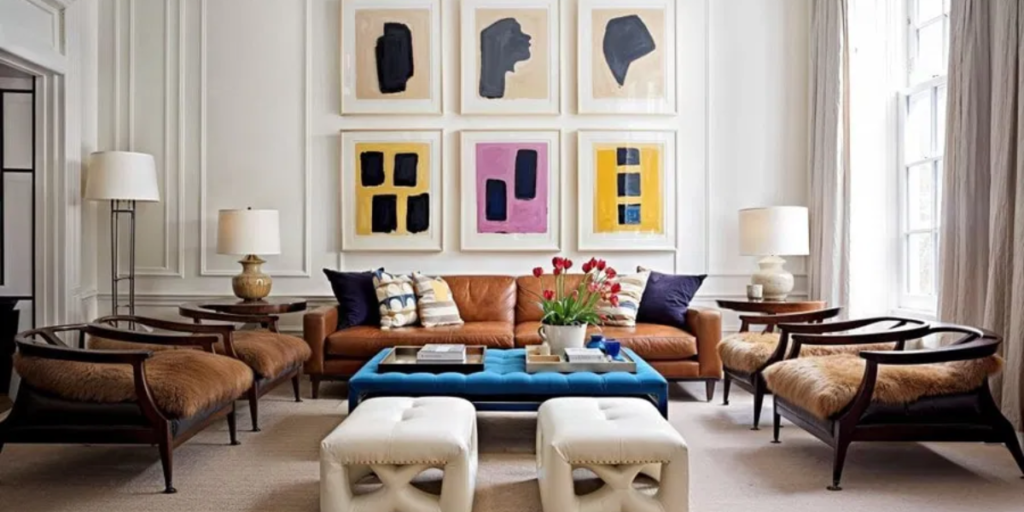
Lighting dramatically influences how artwork appears within a room. Proper illumination enhances color depth, texture, and detail within a painting. Natural light creates a soft and authentic viewing experience. Artwork placed near windows can benefit from daylight, though excessive sunlight may cause long-term fading. Artificial lighting provides controlled illumination for art displays. Wall-mounted picture lights or adjustable spotlights can highlight artwork and create a gallery-like atmosphere.
Warm lighting enhances traditional paintings and earthy tones, while cool lighting works well with modern and abstract artwork. Selecting appropriate lighting helps showcase art in its best visual form. Lighting also creates mood within a space. A softly illuminated painting can add elegance and sophistication to an interior environment.
Gallery walls offer an artistic and versatile way to display multiple pieces of artwork. Instead of relying on a single painting, a gallery wall combines various artworks, photographs, and frames to create a curated visual collection.
This approach allows homeowners to mix different styles, sizes, and themes. Personal photographs, illustrations, and paintings can coexist within the same arrangement. Gallery walls work particularly well in hallways, staircases, and large empty walls. Carefully arranging frames in a balanced layout creates a cohesive visual display.
Spacing between frames should remain consistent to maintain structure and harmony. While the artwork may vary in style, the arrangement itself should feel organized and intentional. Gallery walls transform ordinary walls into dynamic storytelling spaces filled with creativity.